Online HR Toolkit
Get full access to 1000+ up-to-date HR guides, 24/7 Legal Helpline*, document templates, policies and guidance for you or your HR team




Get full access to 1000+ up-to-date HR guides, 24/7 Legal Helpline*, document templates, policies and guidance for you or your HR team
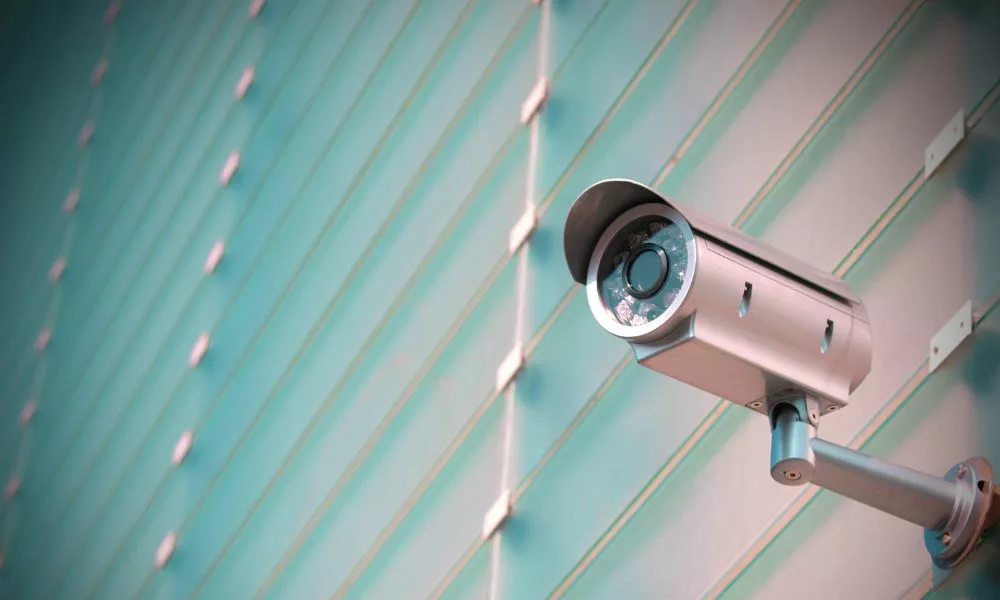
The concept of employee monitoring is not a new one, however, with an increase in remote working, smaller organisations (in particular) will want to ensure their business is running efficiently, wherever their staff are based. There are many tools for monitoring employee performance, productivity, accountability and behaviour. The existence of tools doesn’t mean that you should monitor employees, nor does it mean that it is an effective way to manage people. It is important to trust your employees to do their job, without them fearing being snooped on in the workplace.
Employee monitoring comes with risks, including a breakdown in trust between the employer and employee. Monitoring can also increase stress for the employee and harm job satisfaction. In some circumstances, monitoring could also breach the legal and human rights of your employees.
Employers may find that monitoring may increase productivity, although if you are not transparent about how monitoring is managed, you could risk a reduction in engagement and morale.
Modern employee monitoring goes far beyond traditional tools like bag checks or paper timesheets. Advances in technology mean employers now have a wide range of options to track activity, performance, and security, but every method must be used lawfully and proportionately.
Common types of workplace monitoring include:
Email and internet monitoring – reviewing work emails, browsing history, or online activity to ensure appropriate use.
Phone call monitoring – recording or listening to calls for training, quality assurance, or compliance purposes.
CCTV surveillance – monitoring workplace premises for safety, security, or misconduct prevention.
Social media monitoring – checking public social media activity where it may impact the business.
Access card or building entry systems – tracking employee attendance, movement, or timekeeping.
Location tracking (GPS) – monitoring company vehicles, mobile devices, or other assets to ensure proper use and safety.
Productivity or performance software – tools that measure keystrokes, logins, or screen time, particularly in remote or hybrid work settings.
Tip: While monitoring tools are readily available, employers should always balance monitoring with employee privacy, ensuring it is transparent, proportionate, and compliant with UK data protection law.
Yes. employee monitoring is legal in the UK, but it must comply with the UK GDPR and the Data Protection Act 2018. These laws set out six key principles employers must follow when collecting or using personal information through monitoring:
Lawful, fair and transparent – monitoring must have a valid legal basis and be explained to employees.
Specified and legitimate purpose – the reason for monitoring must be clear and not used for unrelated purposes.
Relevant and limited – only collect data that is adequate and necessary for the stated purpose.
Accuracy – information gathered must be correct and kept up to date.
Storage limitation – personal data should not be held for longer than is necessary.
Security – data collected through monitoring must be stored safely and protected from unauthorised access.
Employers should also balance business needs with an employee’s right to privacy at work (protected under Article 8 of the Human Rights Act).
Tip: Before introducing monitoring, carry out a Data Protection Impact Assessment (DPIA). This will help you assess whether monitoring is necessary, proportionate, and whether less intrusive alternatives could achieve the same result.
Transparency is essential when introducing any form of employee monitoring. Staff must be told:
What is being monitored – for example, emails, internet usage, phone calls, CCTV, or location data.
Why the monitoring is necessary – e.g. for security, compliance, performance management, or protecting company assets.
How the information will be used – whether for training, record-keeping, or to address misconduct.
How long the data will be kept – monitoring records should not be retained for longer than is necessary, and employers must have a clear retention policy.
How the data will be protected – collected information must be stored securely and disposed of safely when no longer required.
The only exception to this transparency rule is in very limited circumstances, such as where an employer reasonably suspects criminal activity and informing employees would undermine an investigation. Even then, the monitoring must still comply with data protection law and be proportionate to the issue at hand.
Introducing employee monitoring without a clear policy can create confusion, damage trust, and expose your business to legal risk. Before rolling out any monitoring measures, you should consult with staff and, where appropriate, employee representatives or trade unions.
A well-drafted monitoring policy should set out:
What is monitored – the systems, tools, or activities subject to monitoring (e.g. emails, CCTV, access cards, location tracking).
Why monitoring is in place – the business reasons, such as security, compliance, or protecting assets.
How monitoring will be carried out – the method, frequency, and extent of monitoring.
Impact on employees – any implications for privacy, workload, or day-to-day practice.
Data protection safeguards – how sensitive or personal information will be stored, who can access it, and when it will be deleted.
Consequences of breach – how employees are expected to comply, and the disciplinary action that may follow if they record or monitor without authorisation.
Tip: Policies should be regularly reviewed to reflect changes in law, technology, or workplace practices. Including the monitoring policy within your staff handbook or IT policy ensures consistency and makes it easily accessible to employees.
This will decide if and how to monitor employees. You should clearly identify the reasons for monitoring, the likely benefits and/or potential negative effects of monitoring and other alternatives. You must ensure you understand and comply with the law around monitoring.
Employers should restrict monitoring to what is strictly necessary. Therefore, consider whether monitoring can be reduced in some way, for instance, by exploring whether there are less intrusive ways to achieve the same results. This could include training staff on how they’re expected to work or carrying out regular performance reviews to encourage them to work in a certain way.
In response to the question ‘Is it ok to monitor the movement and activities of your employees in the workplace?’, employers should aim to achieve a balance between an employee’s right to privacy at work (even if working from home) and an employer’s right to take steps to ensure the smooth running of the business.
There are various pros and cons around employee monitoring, but the question employers should consider is ‘is monitoring employees in the workplace right for my business?’
Get practical HR support to review what you’re doing (or planning), and make sure your approach is lawful, proportionate, and clearly communicated
Yes, staff tracking software is legal if it is proportionate, necessary, and compliant with the UK GDPR and the Data Protection Act 2018. Employers must be able to justify why monitoring is needed and ensure the data collected is limited to what’s relevant. Overly intrusive tracking could be considered a breach of privacy.
Company’s use software for a variety of reasons. For example, to ensure health and safety, personal or information security, to see performance data for business improvement or training and to monitor productivity.
Monitoring is a good idea where it is carefully planned and communicated having considered the benefits and impacts to both the employeer and employees.
No. Employers may use GPS tracking on company vehicles, mobile phones, or access cards, but they must be transparent about what is being tracked, why it’s necessary, and how the data will be used. Tracking without employee knowledge is highly likely to breach data protection rules.
No. Employers cannot legally record calls without informing employees. Business calls may be monitored for training or compliance, but private calls must not be recorded. Employees should always be told in advance if calls may be monitored, and the purpose for doing so must be made clear.
Yes, but the same rules apply as in the workplace. Employers may use tools to monitor productivity or IT use, but they must inform employees, justify the monitoring as necessary, and ensure it is not excessive. Transparency and proportionality are key, even in remote or hybrid settings.

If you need access to commercial and friendly experts to chat through any HR concerns or challenges your business is facing, you have come to the right place!
Get fast, confidential help from our HR helpline.