Online HR Toolkit
Get full access to 1000+ up-to-date HR guides, 24/7 Legal Helpline*, document templates, policies and guidance for you or your HR team




Get full access to 1000+ up-to-date HR guides, 24/7 Legal Helpline*, document templates, policies and guidance for you or your HR team
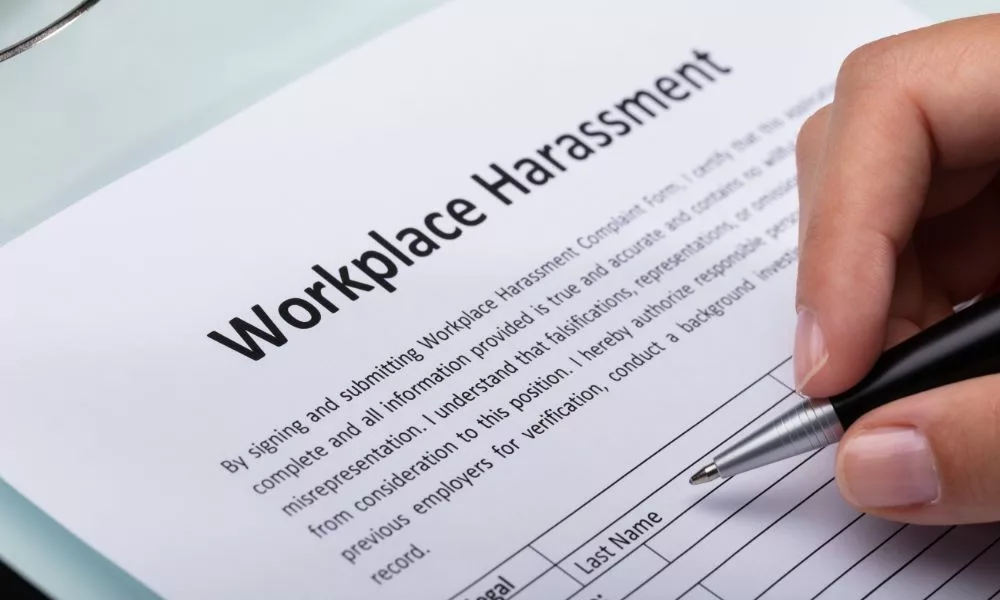
Sadly, sexual harassment is not a complete rarity in today’s workplace, and our team have on occasion had to provide a business with extensive support to manage the way a complaint is explored and effectively brought to a resolution.
“As a small business we don't have HR in-house, but that isn't a problem because we know MAD-HR is there when we need them. With the MAD team's help we've been able to professionalise and streamline our processes for our employees from onboarding onwards. MAD-HR is on-call to offer good advice on an ad hoc basis at a rate that is realistic for us, without any compromise on service.”
The most important consideration for any company on this matter is to remember that prevention is far better than trying to find a resolution after the event.
Employers should do all they can to reasonably protect staff from sexual harassment and to prevent an incident tfrom aking place within the organisation.
Managers need to be fully aware of what is meant by sexual harassment. Too often, there is a failure to appreciate that anything which violates a person’s dignity – be that intended or not – is sexual harassment.
Alternatively, it could be considered sexual harassment where an intimidating or offensive or humiliating environment is created – again, whether intended or not.
I want to stress that the law protects both employees and workers, contractors, and also job applicants, under the Equality Act 2010.
While it might be assumed that the perpetrator of a specific ‘unwanted behaviour’ is the person to blame, it should be noted that employers have a duty of care, and therefore can be considered liable.
Employers must remember that if they have failed in their duty of care to an employee, this could be seen as a breach of contract. Equally, the employer may be seen as responsible for the actions of their managers and employees and be found to be vicariously liable for such harmful actions.
If an employee gets to the point where they feel they have had no choice but to resign because of behaviour toward them, this could indeed be grounds for a case of constructive unfair dismissal.
We recommend all companies invest appropriate time in establishing clear policies and processes around issues like sexual harassment in the workplace, creating a culture of equality, dignity and respect, and that they clearly communicate expectations, how to raise concerns and consequences in terms of undesirable behaviour to all staff.
Empower your teams with Sexual Harassment Training by MAD-HR.

If you need access to commercial and friendly experts to chat through any HR concerns or challenges your business is facing, you have come to the right place!
Get fast, confidential help from our HR helpline.