Online HR Toolkit
Get full access to 1000+ up-to-date HR guides, 24/7 Legal Helpline*, document templates, policies and guidance for you or your HR team




Get full access to 1000+ up-to-date HR guides, 24/7 Legal Helpline*, document templates, policies and guidance for you or your HR team
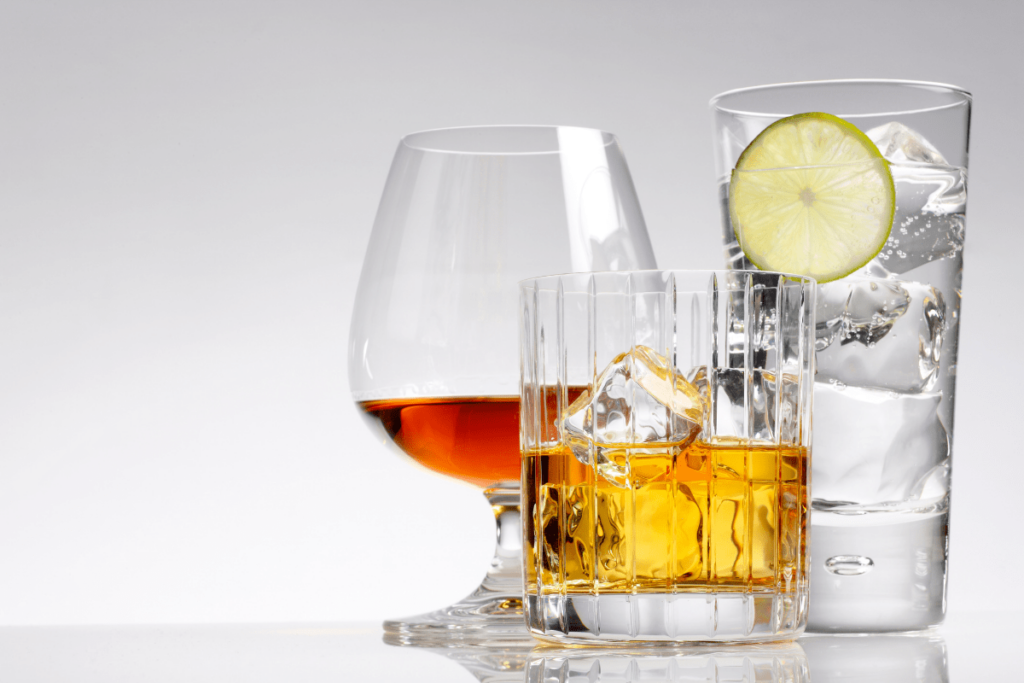
Imagine the scenario – one morning an employee arrives at work (on time) but it’s glaringly obvious to all that they had a heavy drinking session the night before. Indeed, the smell is so bad you swear alcohol fumes are seeping out of their skin.
Does the fact they’ve turned up to work in this state, smelling of alcohol, and possibly still under the influence of alcohol, give you the right to dismiss them or not?
Legal guidance can be found in McElroy v Cambridge Community Services NHS Trust 2014. McElroy (M), who worked as a healthcare assistant for the Trust, had turned up to work smelling of alcohol. A colleague reported this fact to bosses who then launched a disciplinary investigation. During this, M maintained that he “only had a few drinks the previous night”. The Trust dismissed him, despite:
The Trust stated that as he attended work smelling of alcohol he had breached the Trust’s policy on alcohol misuse and therefore committed gross misconduct.
M then claimed unfair dismissal. The tribunal held that simply smelling of alcohol at work was not in itself sufficient to constitute gross misconduct. In order to justify a dismissal due to alcohol consumption, there has to be clear evidence that it has rendered the employee unfit for work and/or resulted in other problems for the employer. In the absence of such evidence the Trust’s decision to dismiss M could only be unfair.
“I found the Clarity 4D group session really interesting and helpful. I found through the session how other people view me especially useful. As a result of the session I will interact with my peers differently.”
Tip 1. This case confirms that when an employee consumes alcohol in their private time and it doesn’t affect you in any way, it’s not your business. However, had M turned up for work late, fallen asleep on the job, driven Trust vehicles/ service users around whilst under the influence of alcohol or breached health and safety rules (due to alcohol consumption), his employer would have been entitled to take disciplinary action in relation to such misconduct issues.
Tip 2. Rules on alcohol consumption should be clearly set out in a policy. That said, you don’t always have to prove alcohol was the root cause of a problem. For example, if a fully-trained employee breaches a serious health and safety rule, they’ve breached it. It makes no difference why.
Please don’t wait until you have an issue. Speak to us about HR advice and support and ensure you have the correct policies in place. Give us a call to discuss your options. We’re a friendly bunch and really keen to make a difference to your business by finding a HR solution that works for you using our people expertise and experience, so contact us.

If you need access to commercial and friendly experts to chat through any HR concerns or challenges your business is facing, you have come to the right place!
Get fast, confidential help from our HR helpline.