Online HR Toolkit
Get full access to 1000+ up-to-date HR guides, 24/7 Legal Helpline*, document templates, policies and guidance for you or your HR team




Get full access to 1000+ up-to-date HR guides, 24/7 Legal Helpline*, document templates, policies and guidance for you or your HR team
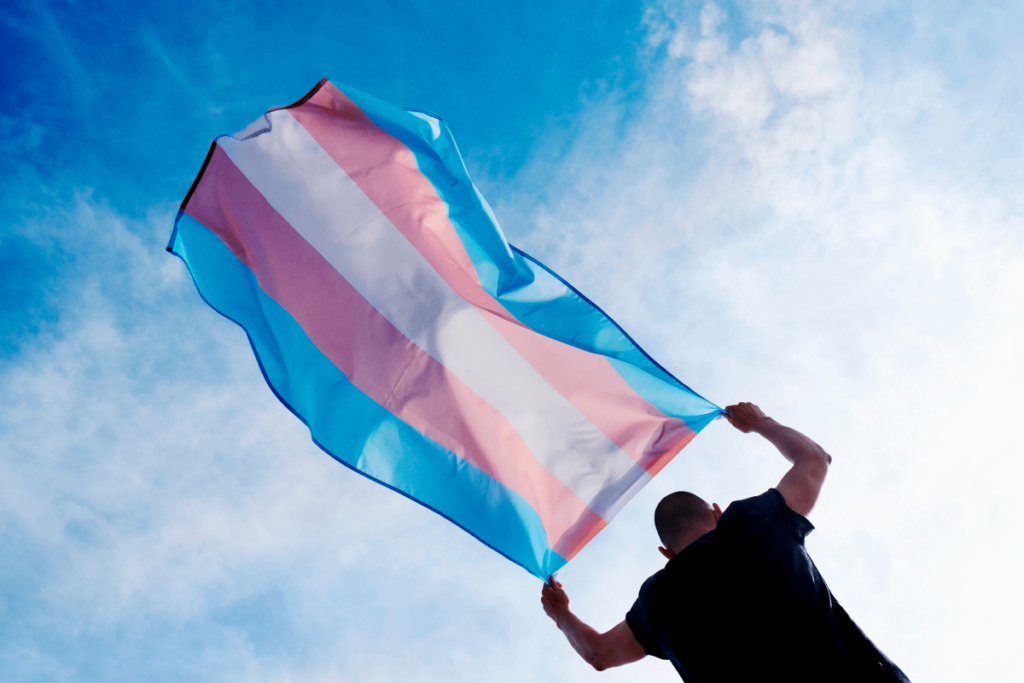
In recognition of International Transgender Day of Visibility – March 31st – the MAD-HR team have been reflecting on some of the key points employers need to know in regards to gender identity, discrimination, and a genuine culture of compassionate fairness.
Across the worlds of business, education, faith groups and the military, issues pertaining to gender identity and scope for discrimination, are now seeing far greater awareness.
In the eyes of the law, all employers have obligations under the Equality Act 2010.
This lists both sexual orientation and gender reassignment as ‘protected characteristics’.
“Recruitment training with Lucy was really good, fully met my objectives. I enjoyed learning what you can’t ask while recruiting so I will now formalise interviews using specific questions. ”
This, in the simplest of terms, means it would be illegal to discriminate or disadvantage an applicant or employee on the grounds of either their sexual orientation, or because they are ‘trans’.
There is of course, so much more at stake than a mere legal obligation. Indeed, every employer should, as a matter of course, feel a duty of care to all persons applying for, or working within their company.
They might also consider the overwhelming reputational impact – internally and externally – of choosing to flout, compromise or blatantly ignore issues regarding gender identity.
Sadly, the picture isn’t a particularly rosy one UK-wide when it comes to employer attitudes to gender identity and inclusion.
A study by YouGov released this time last year showed that two-thirds of transgender employees felt it necessary to hide their trans status at work, and at least a third had experienced discrimination in the workplace.
Equally telling is a CIPD report, which points to 55% of trans workers having experienced workplace conflict, and one in five saying they felt psychologically unsafe at work.
When it comes to the letter of the law, there is no absolute obligation for an HR professional or in-house team to have created a written inclusion and diversity policy for a business, however, we at MAD-HR would very much suggest that this is a priority step.
This not only sets a statement of intent from the perspective of your wider company, but it also acts as a prompt to also staff, as to what is and is not tolerated.
So what else might you need to consider?
If you need help developing appropriate policies and guidelines or would like help in identifying training contributors from diversity charities or other organisations, please feel free to contact the MAD-HR team.
Do regularly use our resources and updates as a way of staying up to date on changes in respect of the Equality Act, and to hear about recent cases in law.

If you need access to commercial and friendly experts to chat through any HR concerns or challenges your business is facing, you have come to the right place!
Get fast, confidential help from our HR helpline.