Online HR Toolkit
Get full access to 1000+ up-to-date HR guides, 24/7 Legal Helpline*, document templates, policies and guidance for you or your HR team




Get full access to 1000+ up-to-date HR guides, 24/7 Legal Helpline*, document templates, policies and guidance for you or your HR team

Even with a solid recruitment process and effective onboarding, sometimes a new hire just isn’t the right fit. It’s a reality many employers face, and managing a probationary period that doesn’t work out can be challenging both emotionally and legally.
Whether it’s due to performance issues, poor timekeeping, lack of cultural fit, or even misconduct, handling probation concerns fairly and professionally is essential to protect your business and reputation.
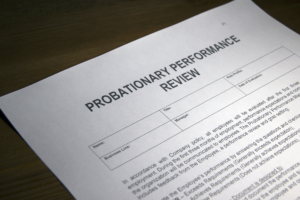
A probationary period is a trial phase, typically lasting 3 to 6 months, which allows employers to assess a new employee’s suitability for the role. Done well, it results in confident, capable employees who feel welcomed and supported. When issues arise, it offers a structured opportunity to address concerns early on.
Common reasons for failed probation periods include:
Whatever the reason, it’s important to follow a clear, documented process to reduce legal and reputational risk.
Regular check-ins are crucial. Probation review meetings should be scheduled and well-documented. These meetings give:
You’ve invested time and money in hiring, so it’s always worth exploring whether extra training or support could help them succeed, especially in today’s competitive hiring market.
If performance hasn’t improved despite support, or the fit simply isn’t right, it may be time to end the probation early or decline confirmation of employment.
Steps to follow:
Keeping written records of each step can help prevent misunderstandings and protect your business against potential claims.
While most employees can’t claim unfair dismissal until they’ve been employed for two full years, there are important exceptions.
You could still face a tribunal claim if the employee alleges dismissal based on:
Discrimination claims can be brought from day one.
This is why fair treatment, clear documentation, and respectful communication matter, not just to protect your business legally, but also to reinforce a strong workplace culture.
Managing probation periods can feel like walking a legal tightrope, but with the right process and support, it doesn’t have to be.
We help businesses:
Need help handling a tricky probation case – or want to prevent one from arising?
We’re an award-winning outsourced HR provider, trusted by businesses across the UK to deliver clear, commercial, and compassionate advice.
Let us take the hassle out of HR. From managing probation reviews to protecting your business from risk, we’re here to help. Contact us today and discover how we can support your team with tailored, expert-led solutions that keep you compliant, confident, and focused on growth.
Useful questions and answers about “Time’s up – when probation doesn’t work out”.
A probation period is a trial period at the beginning of employment allowing performance and fit for the role to be assessed.
You should refer to your contract of employment for notice requirements in probation, this notice is often shorter in duration.
Probation is an initial period of assessing performance and suitability before confirming long-term employment.

If you need access to commercial and friendly experts to chat through any HR concerns or challenges your business is facing, you have come to the right place!
Get fast, confidential help from our HR helpline.